Order today
Ready to try MemoHive?
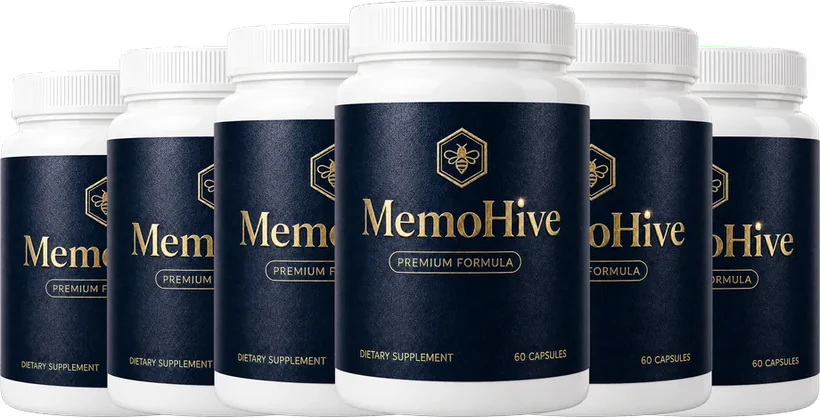
The 6-bottle package brings it to $49 a bottle, ships free across the US and saves you $180 against the 2-bottle reference price.
Backed by a 60-day money-back guarantee · no subscription
Article
The least pronounceable ingredient on the label, and one of the more interesting ones.
What it is
Phosphatidylserine is a phospholipid — a fat molecule that forms part of the membrane around every cell in your body, including brain cells. It is concentrated in neural tissue.
Your body makes its own, and small amounts occur in food. The interest in supplementing it rests on its structural role: membranes are where cell signalling physically happens, so their composition is not a trivial detail.
It is worth saying that this is a mechanism story rather than a settled outcome. Research exists and is mixed, and effects where reported are modest.
The source
Supplement phosphatidylserine is usually derived from soy lecithin or from sunflower lecithin. They are functionally similar.
The practical difference is allergy. Anyone avoiding soy has a reason to want to know which is used, and this label does not say. That is a reasonable question to email the seller before ordering — and a quick one for them to answer.
Historical note worth knowing. Early phosphatidylserine research used a bovine-derived form that is no longer used commercially. When you read older studies on it, they may not be describing the same material that is in a modern capsule.
Order today
The 6-bottle package brings it to $49 a bottle, ships free across the US and saves you $180 against the 2-bottle reference price.
Backed by a 60-day money-back guarantee · no subscription
From $49 a bottleSave up to $180 · 60-day guarantee
Buy now